According to the CDC, roughly one in every five Americans is currently carrying an STI.1 And if you're aged 18-40, that number is probably closer to one in every three.
If you're sexually active, there's a good chance you'll encounter someone who has an STI – even if they don't know it yet.
Are you a carrier of an STI? The only way to know for sure is through testing. In this blog, we'll tell you where to go to find testing, what to expect, and ways you can keep yourself safe.
What are the Most Common STI Symptoms?
A lot of people think they don't need STI testing unless something feels wrong. That's not true. Many STIs show no symptoms early on.2
As such, you should be regularly getting tested anytime you have a new partner or your partner has been sexually active with someone else.
On top of symptomless sexually transmitted infections, here are some of the most common signs to look for that may indicate you have an STI.2
For Women
- Abnormal discharge (e.g., different color or smell than you're used to)
- Burning/pain while urinating
- Pain during sex
- Pain in your lower abdomen
- Excessive itching or irritation
- Visible sores, bumps, blisters, or warts
- Non-menstrual bleeding after sex.
For Men
- Discharge from the penis
- Pain or swelling in the testicles
- Burning/pain while urinating
- Excessive itching
- Visible sores, bumps, blisters, or warts
- Itching or irritation inside the urethra
On top of these, both men and women can also exhibit flu-like symptoms or painful bowel movements that may indicate an STI.
If you're experiencing any of these, or, as mentioned above, recently had sex with a new partner, then get tested ASAP.

What Types of STIs Could I Be Carrying?
There are dozens of STIs that you could contract from sexual activity.
The following is a list of some of the most common among young Americans, their initial symptoms, and their seriousness.3
Chlamydia
- How common? About 1 in 20 young women (ages 14–24) are infected annually.
- Initial symptoms: Often, none. It may cause burning when peeing, abnormal discharge, or pelvic/testicular pain.
- Seriousness: High. If left untreated, it can lead to infertility and pelvic inflammatory disease (PID).
Gonorrhea
- How common? About 1 in 100 sexually active people under 30 each year.
- Initial symptoms: Burning during urination, thick discharge (yellow or green), pelvic or testicular pain.
- Seriousness: High. It can cause infertility, PID, or spread through the bloodstream.
Free ST Testing in Woodland Park, CO
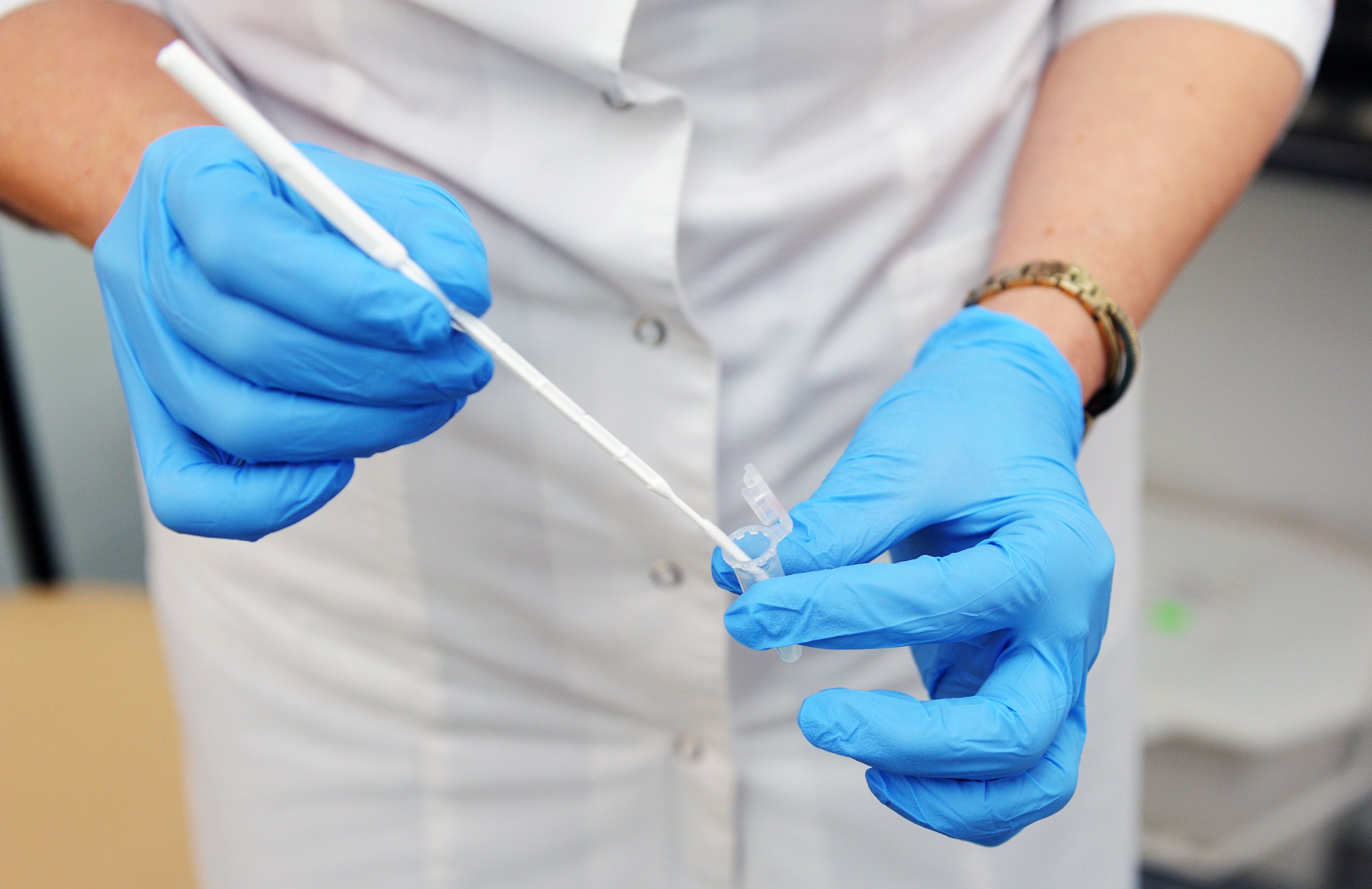
If you're looking for free testing of some of theI most common STIs, CHOICES Pregnancy Center is happy to provide free STI testing at our Woodland Park location.
Here are the STIs we provide testing and treatment for:
- Chlamydia
- Gonorrhea
As a confidential non-profit, we're able to provide these services to you without the need of insurance, which means your results are known only by you and your test administrator.
To get tested, simply visit our STI testing page and request an appointment from there.
If we don't offer testing for the STIs you think you might be carrying, we may still be able to help by pointing you in the direction of someone trusted who can help.
STI Prevention Best Practices
While it may sound cliche, the only surefire way to prevent the contraction of an STI is to practice sexual abstinence.
Outside of abstinence, the safest form of sex is within the confines of a committed, monogamous relationship with your partner.
If both of you are STI-free and only with each other, your risk is very low. It's one of the reasons why married couples are 2.5x less likely to have an STI than their unmarried peers.4
Sources
1. https://archive.cdc.gov/www_cdc_gov/media/releases/2021/p0125-sexualy-transmitted-infection.html
2. https://www.cdc.gov/sti-statistics/media/pdfs/2024/07/std-surveillance-2019.pdf
3. https://www.cdc.gov/sti-statistics/annual/summary.html
4. https://www.guttmacher.org/sites/default/files/article_files/4204910.pdf